All Regarding Shipping Containers: Discovering Their Convenience and Practical Applications
Delivering containers have transcended their original function of freight transportation, coming to be multifunctional properties in various industries. Their modular style enables for cutting-edge applications, from cost effective real estate remedies to mobile workplaces. Additionally, they function as pop-up retail shops and support sustainable practices. This transformation raises concerns regarding their prospective effect on metropolitan advancement and neighborhood interaction. What other possibilities might emerge from these adaptable structures?
The Development of Shipping Containers: From Transport to Change
As the worldwide economic climate expanded in the mid-20th century, shipping containers became a revolutionary solution to the inefficiencies of traditional freight transportation. These standard metal boxes enabled seamless loading and dumping, substantially minimizing the moment and labor associated with Shipping goods. The intro of containers changed ports into efficient centers of international trade, facilitating the surge of worldwide Shipping networks.
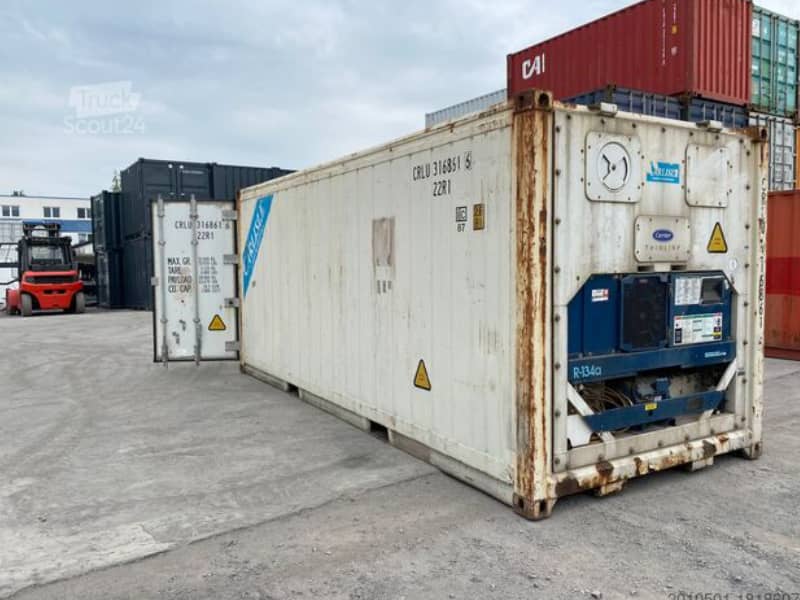
In time, the design and modern technology of Shipping containers progressed, resulting in developments such as refrigerated containers for subject to spoiling items and specialized containers for harmful materials. The versatility of Shipping containers expanded past transportation, motivating brand-new applications in numerous industries. They ended up being important to logistics, fostering just-in-time production and global supply chains.
This advancement marked a change in exactly how items were moved and saved, setting the phase for additional expedition of their potential in varied sectors, consisting of construction and retail.
Cutting-edge Housing Solutions: Container Houses
An expanding number of builders and designers are transforming to shipping containers as a feasible remedy for lasting and inexpensive real estate. These frameworks offer a special mix of sturdiness and convenience, making them an attractive choice for numerous residential requirements. Delivering containers can be changed into comfortable homes, environment-friendly shelters, and even multi-unit residences, enabling ingenious styles that maximize room and sources.

As urbanization continues to climb, container homes present a chance to attend to real estate shortages while promoting lasting living techniques. This innovative technique obstacles traditional concepts of home building and leads the way for a new age in real estate remedies.
Mobile Workplaces: The Rise of Container Workspaces
With the enhancing demand for versatile workplace, mobile workplaces constructed from shipping containers are acquiring popularity amongst organizations looking for adaptable and affordable options. These repurposed containers supply an one-of-a-kind combination of resilience and movement, making them optimal for business that need short-lived or on-site work spaces. The modular layout permits for very easy modification, making it possible for organizations to customize the indoor design to their certain requirements, whether for collective job, personal offices, or conference locations.
Shipping container offices can be rapidly released to numerous locations, streamlining procedures for building websites, events, or remote projects. Their environment-friendly features likewise appeal to companies concentrated on sustainability, as they promote reusing and effective use products. As remote work proceeds to progress, the flexibility of mobile offices made from delivering containers positions them as a sensible option for modern organization difficulties, enhancing efficiency while decreasing above prices.
Retail Transformation: Shipping Containers as Pop-Up Shops
Shipping containers are transforming the retail landscape by functioning as ingenious pop-up stores that catch customer interest and boost brand presence. Their modular design permits easy personalization, making them perfect for numerous retail ideas, from style boutiques to artisanal food markets. used 40ft cold storage containers for sale. Stores take advantage of the adaptability of Shipping containers, enabling them to set up short-lived locations in high-traffic locations, events, or urban areas where typical shops might be impractical
These pop-up shops not just provide a distinct purchasing experience but likewise foster area engagement by drawing in varied customers. Brands can try out brand-new markets without the lasting commitment of a permanent lease. On top of that, the striking visual of repurposed containers usually pulls in curious clients, developing a buzz around the brand name. As the retail environment continues to progress, delivering containers stand out as a dynamic service for services seeking to connect and innovate with consumers.
Sustainable Practices: Eco-Friendly Uses for Shipping Containers
Repurposing Shipping containers expands beyond retail development, offering a sustainable remedy for different environment-friendly applications. These containers can be transformed into useful rooms such as homes, offices, and community facilities, substantially minimizing the requirement for brand-new building and construction products. By using existing structures, the carbon impact related to conventional building over here approaches decreases.
Furthermore, shipping containers can function as metropolitan gardens or greenhouses, promoting neighborhood agriculture and boosting food protection. Their modular layout permits easy piling and plan, creating flexible spaces for area efforts, such as farmers' markets or academic Related Site workshops.
Furthermore, containers can be outfitted with sustainable power sources, such as solar panels, to develop off-grid facilities. This adaptability not just maximizes land use however also motivates lasting living practices. Generally, the eco-friendly applications of Shipping containers highlight their prospective to add favorably to environmental sustainability while attending to the expanding need for innovative, economical rooms.
Regularly Asked Questions
What Are the Dimensions of Requirement Shipping Containers?
The typical Shipping container dimensions usually consist of 20 feet in size, 8 feet in width, and 8.5 feet in elevation for the normal model, while a 40-foot version preserves the exact same size and elevation.
Just how much Does a Delivery Container Typically Cost?
The common expense of a delivery container differs substantially, usually varying from $2,000 to $5,000 relying on problem, dimension, and market need. Costs might change based upon place and added attributes called for by customers.
Can I Tailor a Delivery Container for My Demands?
The go right here opportunity of tailoring a delivery container exists, permitting people to customize measurements, attributes, and performance according to certain demands - used 40ft cold storage containers for sale. This versatility makes Shipping containers ideal for numerous applications, boosting their general utility and appeal
What Is the Lifespan of a Shipping Container?

Are Shipping Containers Safe for Food Storage Space?
The safety of Shipping containers for food storage depends on their condition and products. Effectively cleansed and kept containers can be safe, however prospective chemical deposits and impurities have to be thoroughly attended to before use.
Over time, the style and modern technology of Shipping containers evolved, leading to advancements such as chilled containers for perishable goods and specialized containers for harmful products. The convenience of Shipping containers extended past transport, motivating new applications in different industries. Repurposing Shipping containers extends past retail innovation, offering a lasting option for different environmentally friendly applications. The typical price of a shipping container varies substantially, usually ranging from $2,000 to $5,000 depending on market, problem, and size need. The opportunity of customizing a shipping container exists, permitting people to tailor dimensions, attributes, and functionality according to details demands.